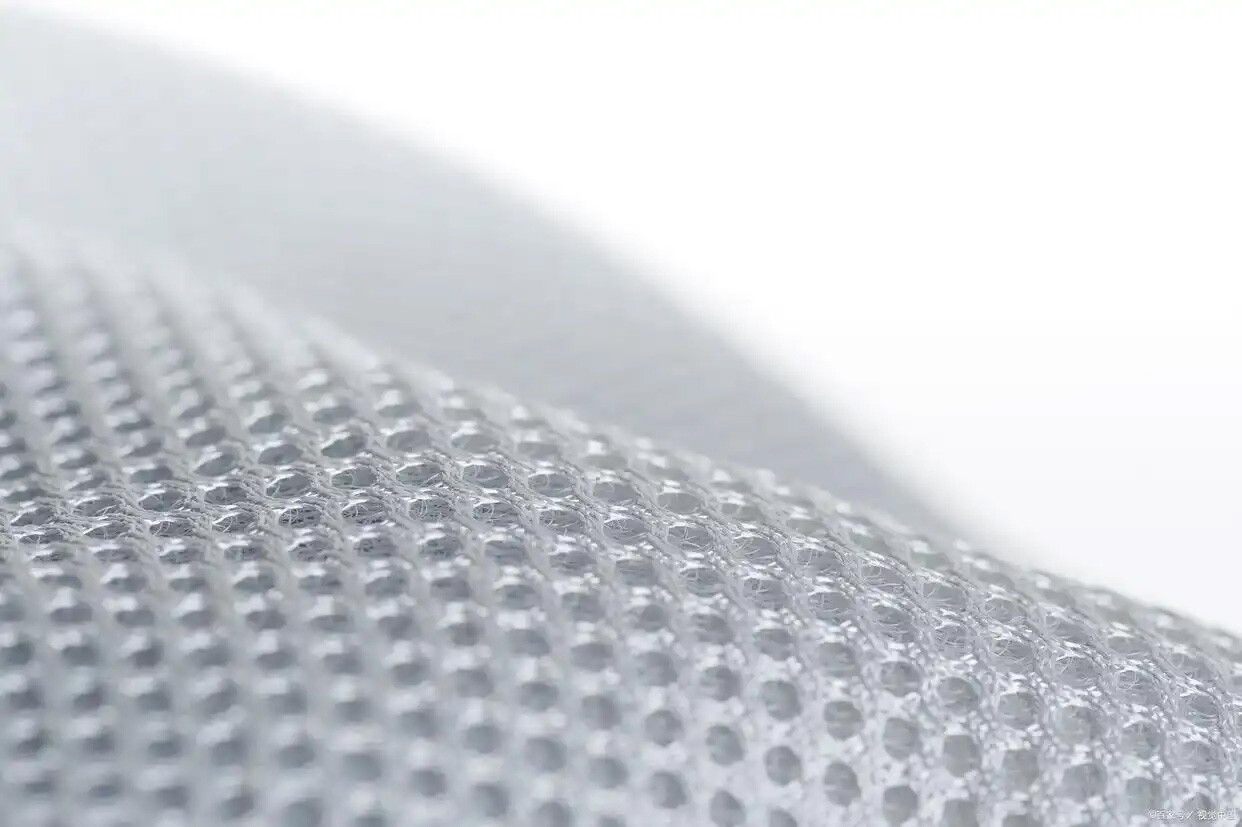
High-tech fiber materials have become deeply integrated into daily life, with applications expanding from personal protective equipment to energy, medical, and smart devices. The following explanation focuses on specific material types and application scenarios: 1. Personal Protective Equipment and Safety
.Bulletproof and Protective Gear: Aramid fibers (such as Kevlar), due to their ultra-high strength and lightweight properties, are widely used in bulletproof vests, bulletproof helmets, fire-fighting suits, etc. This equipment effectively resists bullet impact and high temperatures, significantly improving the safety of soldiers, law enforcement personnel, and those in high-risk industries.
.Sports Equipment: Sports equipment (such as tennis rackets and ski poles) made from ultra-strong fibers (such as ultra-high molecular weight polyethylene fibers) is abrasion-resistant and impact-resistant, while reducing equipment weight and improving athletic performance. 2. Smart Wearables and Electronic Devices
Wearable Energy: Novel fiber polymer lithium-ion batteries can be woven into fabrics for flexible energy storage. These materials are soft and breathable, capable of powering mobile phones and health monitoring devices, and may be used in electric vehicle energy storage or virtual reality devices in the future.
Smart Textiles: Smart fibers, by integrating sensors, can achieve touch control, light emission, or environmental sensing functions without the need for traditional chips and batteries. For example, clothing can monitor heart rate and body temperature in real time, or serve as a human-computer interaction interface, improving convenience. 3. Industrial and Transportation SectorAerospace and Automotive: Lightweight, high-strength materials such as carbon fiber are used in aircraft components, high-speed rail bodies, or automobile chassis, reducing weight while improving durability and fuel efficiency.
Infrastructure: Aramid fiber-reinforced optical cables can withstand extreme weather and extend their service life; rubber composite materials (such as tire cords) improve the wear resistance of industrial equipment. 4. Daily Life and Healthcare
Home Textiles: Clothing made from high-performance fibers combines breathability and durability, suitable for outdoor gear or everyday wear.
Biomedical Applications: Some fiber materials are being explored for use in wound dressings or wearable medical sensors to enable real-time collection of health data.
|